When everything is quick, nothing feels special.
Modern performance is easy. Engagement is the hard part – and it’s slipping away.
There was a time when 300 horsepower was outrageous. Today it’s normal. Family SUVs accelerate faster than supercars from a decade ago, and yet driving excitement feels strangely diluted.
The issue isn’t speed. It’s effort. When performance is effortless, it stops being engaging.
Quick take
- The problem: Limits are so high you can’t reach them legally – or safely
- What we miss: Feedback, consequence, skill-reward
- The fix: Cars that communicate, not just compute
When everything is fast, nothing feels fast
Modern cars isolate drivers from consequence. Electronics smooth mistakes. Power arrives instantly. Limits are so high they’re unreachable on public roads.
That’s why enthusiasts increasingly romanticize older, slower cars. Not because they’re better on paper – but because they demand more from the driver.
Speed is common now. Involvement is the new luxury.
Why ‘slower’ can feel better
A great car isn’t a number. It’s a conversation: steering, chassis, tyres, throttle. When the conversation gets filtered through software, the driver becomes a passenger with a wheel.
Want something car-culture, but clean?
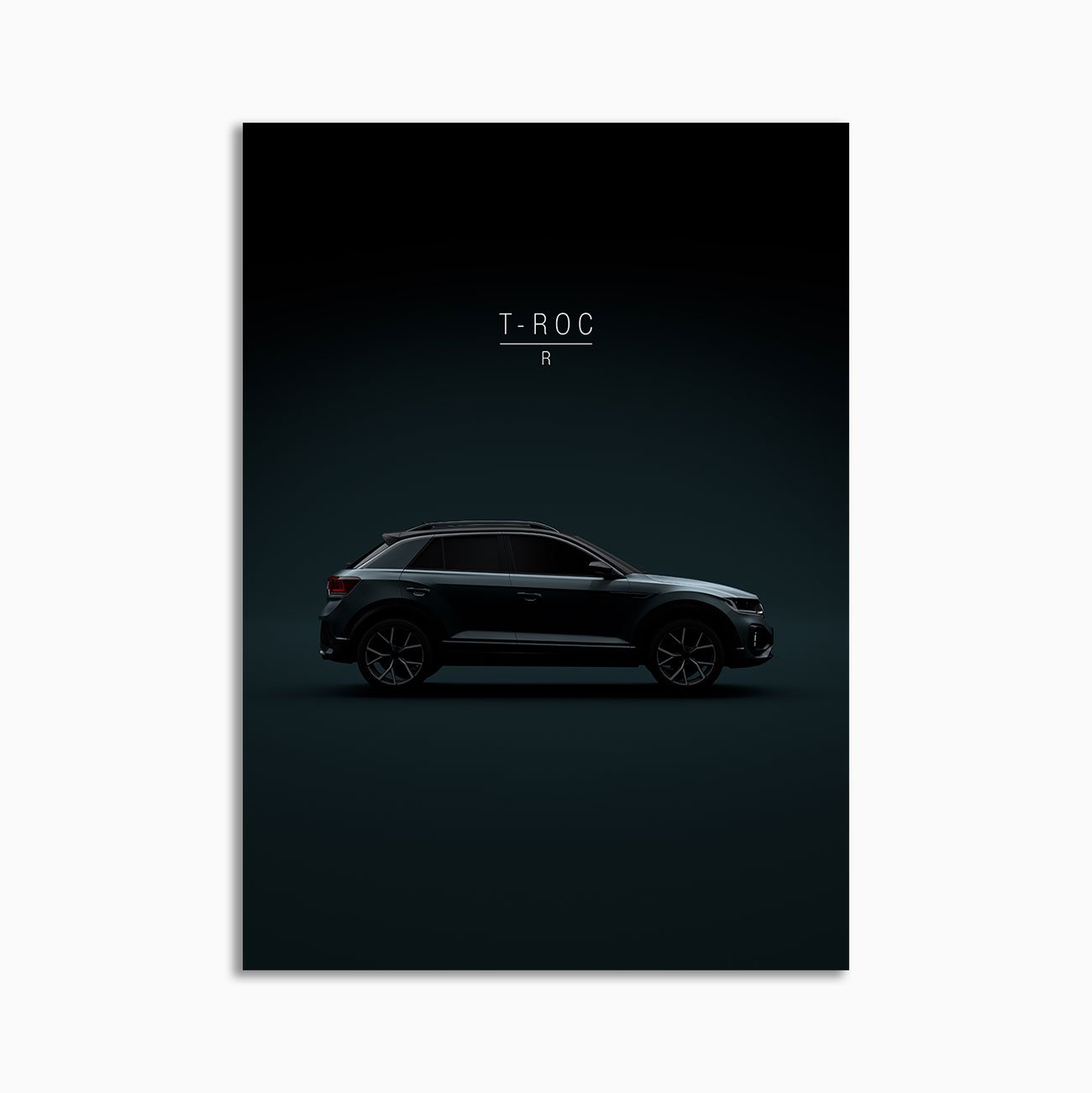
If you want something subtle (not shouty) that still hits every time you walk past it, these minimalist posters do the job.
The goal isn’t to go backwards. It’s to keep the parts of driving that make people fall in love with cars in the first place.