The original M3 wasn’t built for hype. It was built to win.
The E30 M3 is homologation distilled: purpose first, everything else later.
Before the M3 became a luxury performance badge, it was something else entirely. The E30 M3 wasn’t designed to dominate a spec sheet – it was designed to dominate a grid.
Box arches, a high-revving four-cylinder, and aero that looks like it was drawn with a ruler and a mission. Nothing is accidental.
Quick take
- The vibe: Homologation special energy, all day
- Why it matters: It set the blueprint for ‘M’ as a philosophy, not a trim level
- The magic: Lightweight feel, sharp responses, real feedback
Motorsport DNA, permanently embedded
This wasn’t a road car turned race car. It was a race car reluctantly adapted for the road. And that mindset is what made the E30 M3 special – and what makes it so hard to replicate today.
Modern M cars are faster, more powerful, and vastly more comfortable. But none feel as singular in purpose as the E30. It’s the car that made the badge mean something.
If modern performance cars are Netflix, the E30 M3 is a vinyl record: less convenient, more involving.
Why enthusiasts still obsess over it
Because it’s honest. You feel the tyres. You feel the weight transfer. You feel the work. The E30 M3 rewards commitment, not confidence in traction control.
Want a bit of E30 magic on your wall?
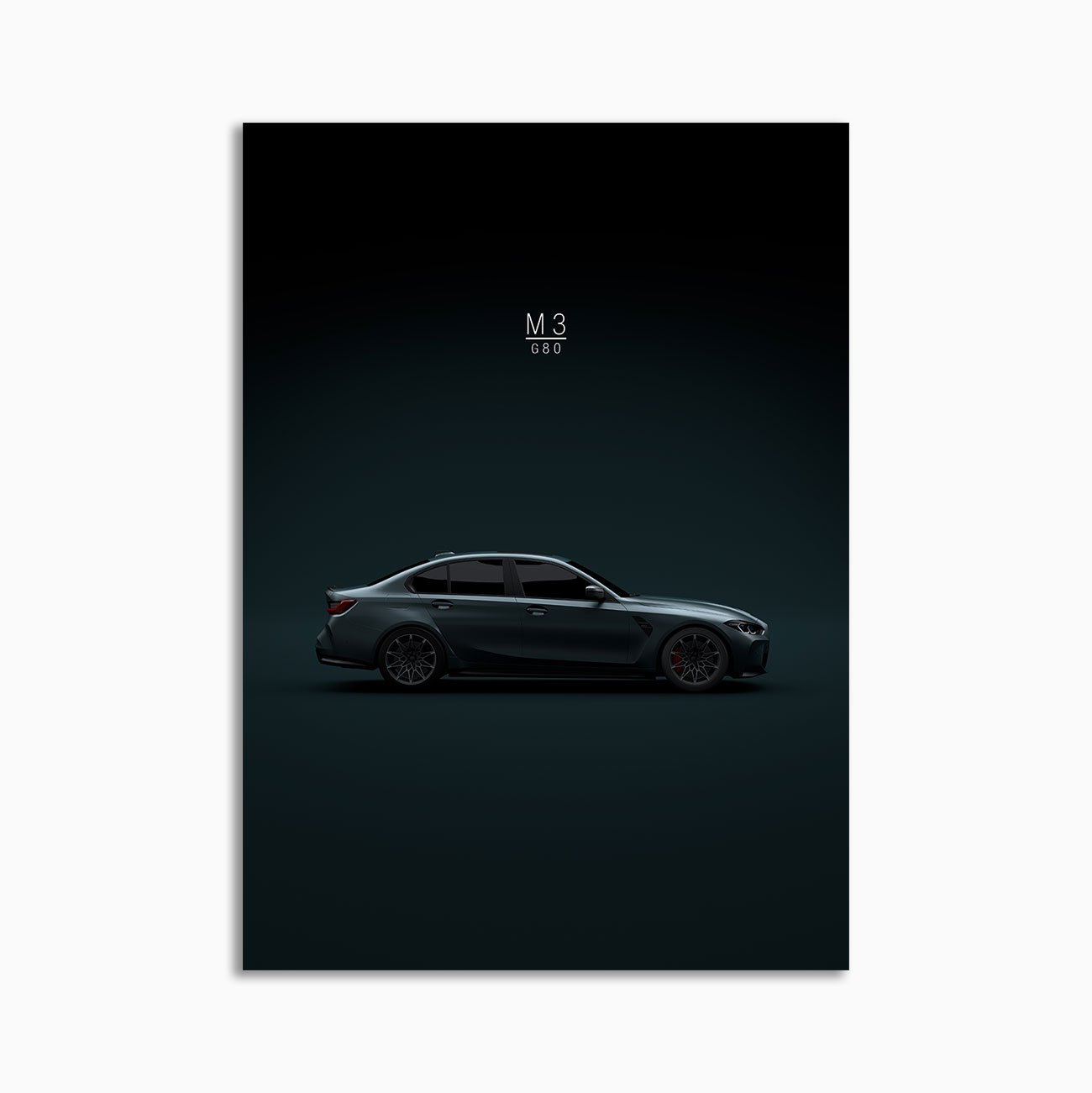
If you want something subtle (not shouty) that still hits every time you walk past it, these minimalist posters do the job.
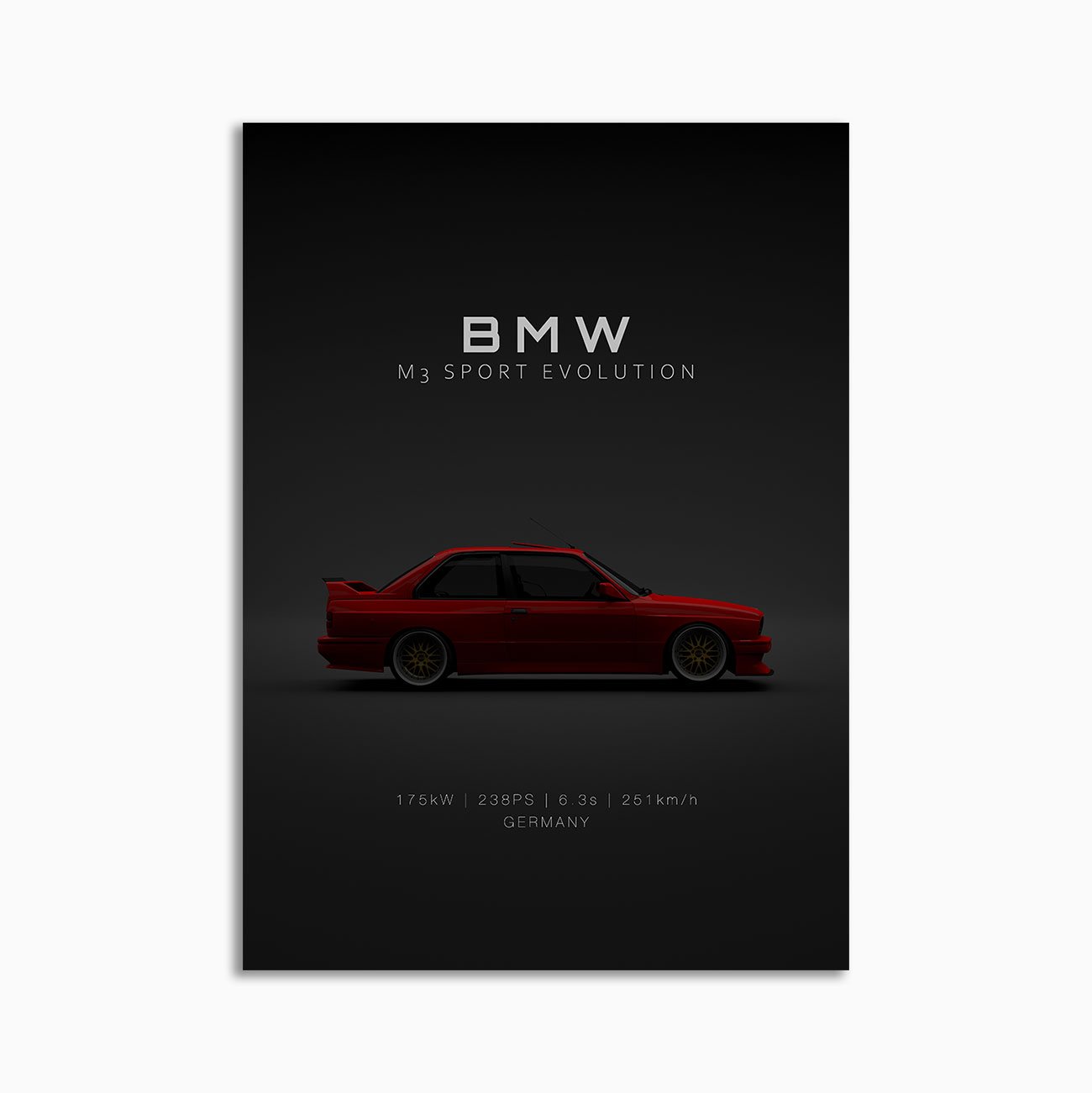
The E30 M3 isn’t just a classic. It’s a reference – the measuring stick for what an M car should be when you strip away everything that doesn’t matter.